

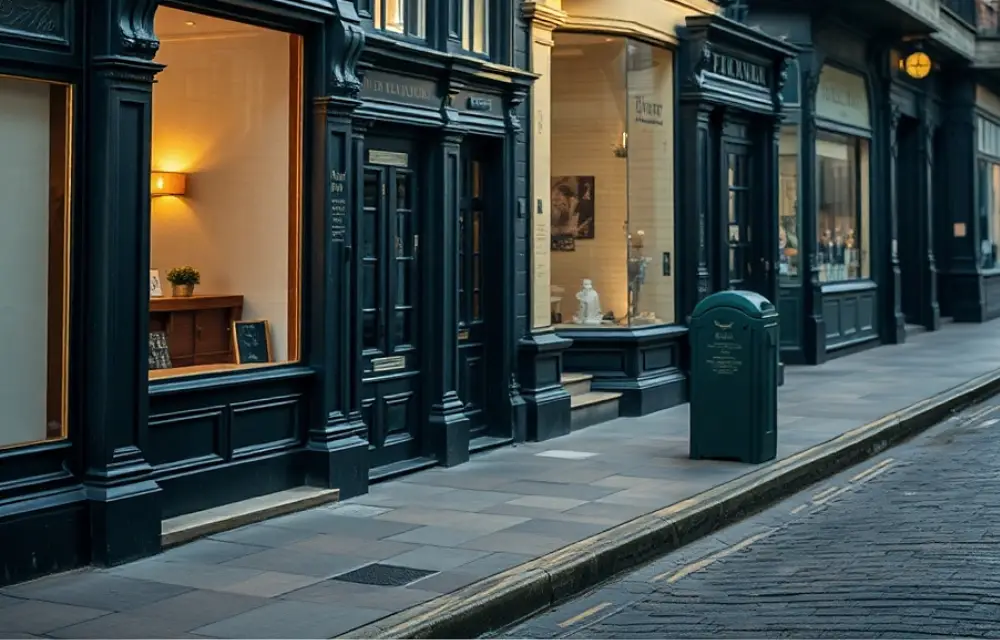
Shopfronts London: A Complete Buying Guide for Retail & Commercial Units
Your shopfront is the first thing a customer sees, often before they even decide to walk in. It sets the tone for your brand, your prices, and how much care you put into your business. That is why choosing the right shopfronts London retailers can rely on is not a decision to rush. A good shopfront needs to look sharp, keep your stock secure, and stand up to London’s weather and footfall for years to come. If you are planning a new shopfront or replacing a tired one, here is what you need to think about first.
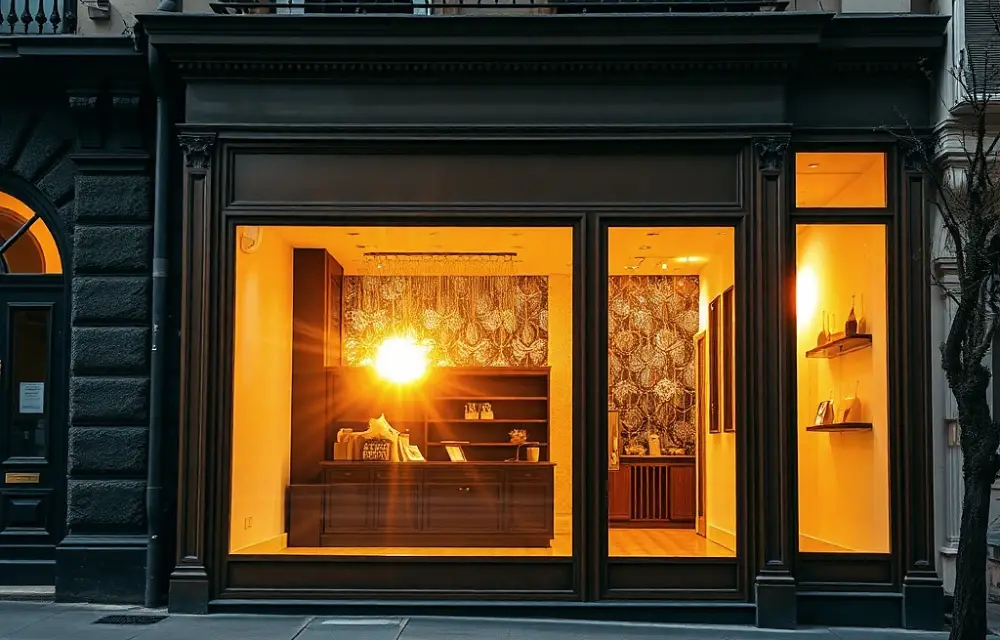
Why Your Shopfront Is an Investment, Not Just a Repair Job
It is easy to treat a shopfront as something you only think about when it breaks. In reality, it works harder than almost any other part of your building. A well-designed shopfront draws people in, reflects your brand, and can genuinely increase footfall. A dated or damaged one does the opposite, even if everything inside your shop is excellent. Thinking of your shopfront as a long-term investment, rather than a one-off cost, will help you choose something that pays for itself over time.
The Main Types of Shopfronts Available
There is no single right answer here. The best option depends on your building, your budget, and the image you want to project.
- Aluminium shopfronts – strong, low maintenance, and available in a wide range of colours and finishes.
- Timber shopfronts – a traditional look that suits period buildings and conservation areas.
- Frameless glass shopfronts – a modern style that maximizes visibility into your store.
- Automatic entrance systems – useful for shops with high footfall or accessibility needs.
Choosing the Right Material for London’s Weather and Footfall
London shopfronts take a real beating. Rain, pollution, and constant foot traffic all wear down cheaper materials faster than you would expect. Aluminium tends to perform well here because it resists corrosion and does not warp the way timber can. If you do choose timber for its appearance, make sure it comes properly treated and finished, and budget for regular maintenance. Whatever material you pick, ask your supplier how it holds up specifically in urban, high-traffic conditions, not just in a showroom.
Security Features Worth Considering
A shopfront is also your first line of defence after closing time. Toughened or laminated glass is far more resistant to forced entry than standard glazing, and it is worth the extra cost for peace of mind. Many businesses also pair their shopfront with roller shutters for an added layer of protection overnight. If your shop is in a higher-risk area, ask about reinforced framing or discreet alarm sensors built into the shopfront itself.
Don’t Forget Insurance Requirements
Some insurers set minimum standards for glazing and locks before they will cover a retail unit. Check your policy, or your renewal terms, before you finalize your shopfront design so you are not caught out later.
Planning Permission and Conservation Areas
Not every shopfront needs planning permission, but many do, especially in conservation areas or on listed buildings. London boroughs each have their own rules, and some are strict about materials, colours, and signage on historic high streets. Always check with your local planning office before you order anything. A good shopfront supplier will usually help guide you through this, since they deal with it regularly.
How Much Does a Shopfront Cost?
Costs vary widely depending on size, material, and features. A straightforward aluminium shopfront will usually cost less than a bespoke frameless glass design with automatic doors and integrated security. Rather than guessing, get a handful of quotes based on your exact building and requirements. This gives you a realistic budget and lets you compare like for like. It also helps to ask each supplier what is actually included in the price, since glazing specification, locks, and any signage brackets can all be quoted separately by some companies and bundled together by others.
It is also worth thinking about ongoing costs, not just the initial installation. Cheaper materials can mean more frequent repairs or repainting down the line, which adds up over several years. A slightly higher upfront cost for better materials and a solid guarantee often works out cheaper in the long run, especially for a busy London unit.
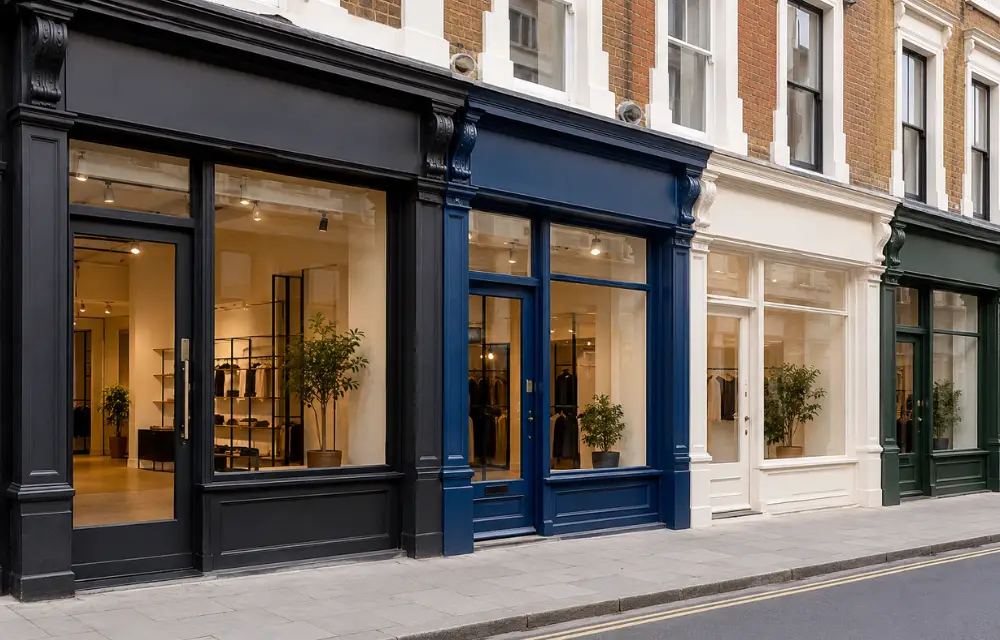
Conclusion
Choosing shopfronts London businesses can depend on for years, not just months, comes down to balancing appearance, durability, and security. Take the time to think through materials, planning rules, and your insurance requirements before you commit. At Sindall Arch, we design and install shopfronts across London and the wider South East, and we are always happy to talk through the right option for your building. Get in touch when you are ready to discuss your project.
No Comments